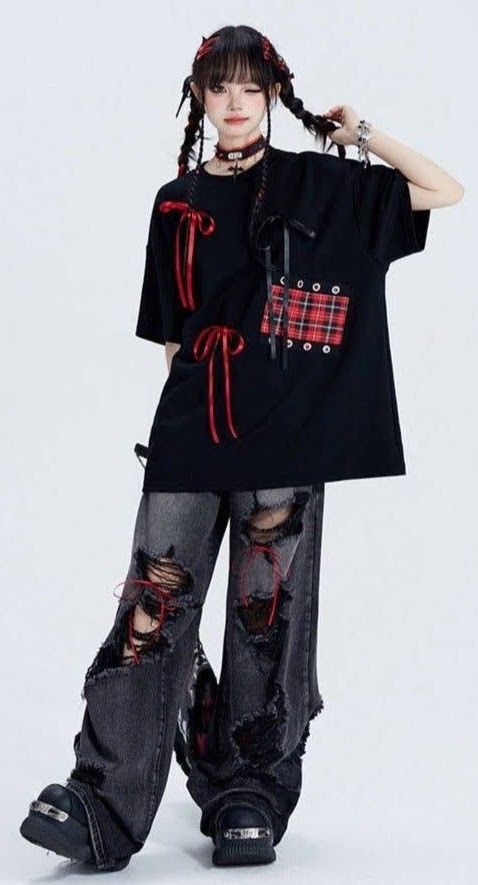
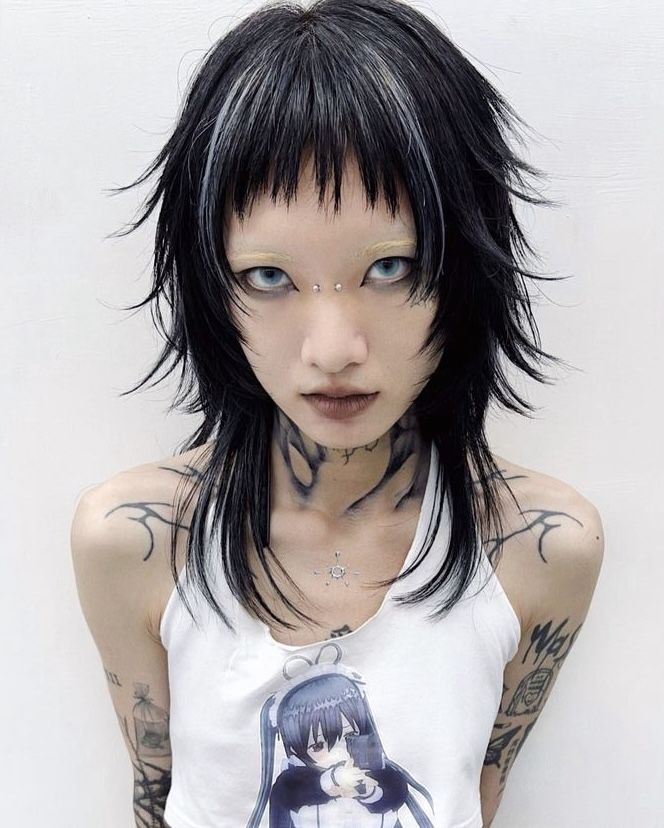
From a distance, an all-black outfit can look almost too simple—just dark fabric from collar to shoe. Get closer, though, and the best dark-palette fits reveal themselves to be anything but flat: different textures catching light differently, subtle tonal shifts between pieces, small details that reward a second look. Building a genuinely strong matching fit in dark colors is less about picking "black" and more about orchestrating depth within a narrow palette.
Why Dark Palettes Are Trickier Than They Look
Wearing all one color family seems like it should be the easiest styling decision there is—grab anything dark, put it on, done. In practice, an outfit built entirely from black or near-black pieces lives or dies on small distinctions: matte versus shiny fabric, warm-black versus cool-black undertones, structured versus slouchy silhouettes. Monochrome dressing has a long history in fashion precisely because, done well, it forces a kind of discipline—every choice has to earn its place since there's no color contrast to hide behind.
The Building Blocks of a Strong Dark Fit
The strongest matching dark-toned outfits tend to layer multiple textures against each other—a ribbed knit against a smooth nylon jacket, a matte cotton tee under a glossy vinyl or leather piece, a textured boot against sleek tailored trousers. That contrast in surface and finish is what keeps an all-dark look from reading as flat; it gives the eye something to travel across even without any shift in color. Small contrast points—a single light-colored accessory, a glint of metal hardware, a patch of exposed skin—can also act as a release valve, drawing attention and giving the rest of the dark palette room to breathe.
Where This Style Shows Up
This kind of tonal, texture-driven dressing runs through a lot of Japanese and Korean streetwear, especially in scenes that lean toward moodier, more minimalist aesthetics. Our look at the dark girl aesthetic covers some of the same instincts toward restrained, tonal color choices—proof that "dark" doesn't have to mean limited; it can mean focused.
Putting a Fit Together
To build your own matching dark look, choose two or three different textures within your palette before worrying about exact shades, then let one small accessory or detail serve as the visual anchor that ties everything together. Belchic's new arrivals regularly bring in the kind of tonal basics and texture-rich layering pieces that make building a cohesive dark outfit much more straightforward.
An all-dark outfit isn't the absence of color choices—it's a different set of choices entirely, and often a more demanding one. Get it right, and it reads as effortless. Get it really right, and it reads as deliberate.