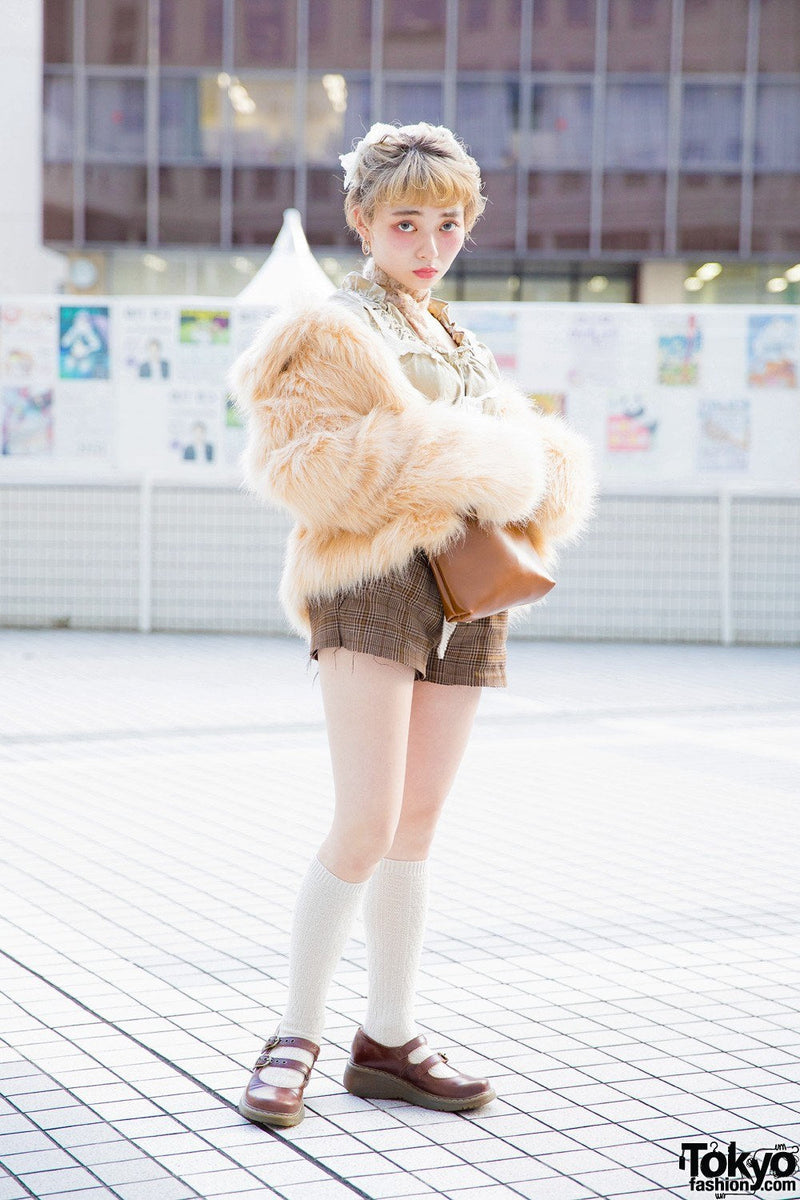
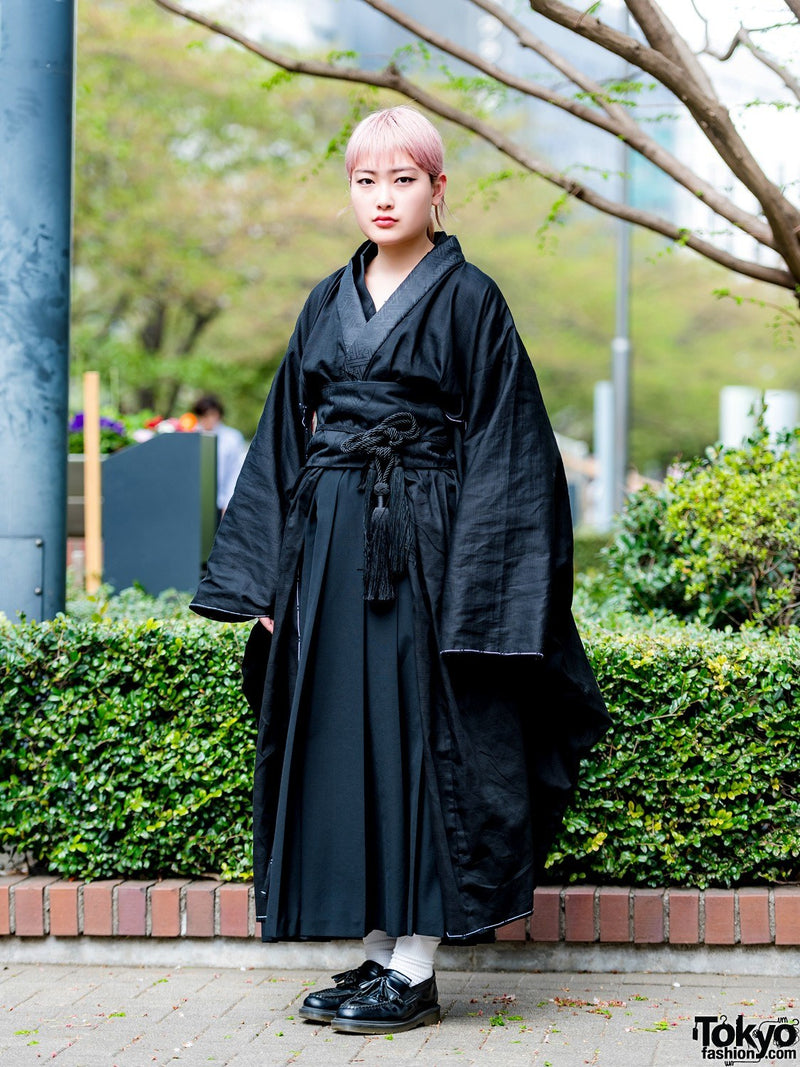
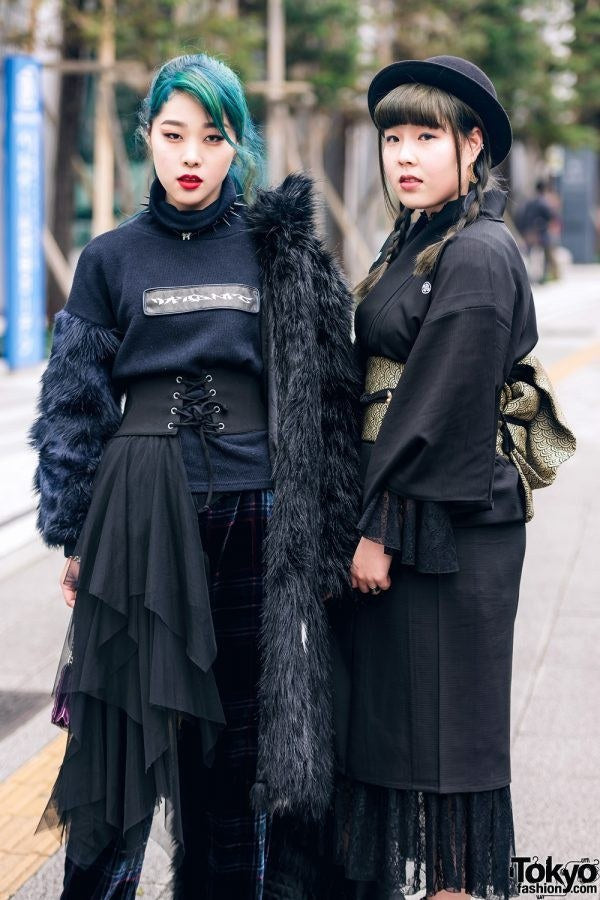
In 2014, at New York Fashion Week, a woman was standing on a street in a fisherman sweater, leather pants, and Converse sneakers. Bill Cunningham — the late New York Times street photographer whose camera was the most honest style barometer in the industry for decades — pointed his lens at her. Then other photographers followed. As she left, Cunningham said two words: "Nice sweater."
The sweater was from FUMIKA_UCHIDA's debut collection. It was a classic fisherman knit — a textile everyone knows — reworked with patchwork construction and an off-the-shoulder silhouette that changed the balance of the entire garment. Fresh enough to stop Bill Cunningham in his tracks. That's the FUMIKA_UCHIDA thesis in a single anecdote.
Who Is Fumika Uchida
Fumika Uchida's path to her own label ran directly through vintage. In 2005 she opened JANTIQUES — a vintage store in Nakameguro that became one of Tokyo's most respected, combining international luxury, streetwear, and vintage in a way that felt genuinely edited rather than accumulated. Before that, she had worked at Santamonica Omotesandou, one of the best-known vintage stores in Tokyo, learning to select and evaluate clothing by handling it.
That hands-on experience with fabric — the specific literacy you develop when your job is touching thousands of garments and deciding which ones matter — is the foundation everything else is built on. In 2014, she launched FUMIKA_UCHIDA as a women's label under the concept of "Clothes for people with identity." Handmade in Japan, using original fabrics sourced from Japan and Italy, twice-yearly collections each with a deliberately different mood. The brand has been stocked at Assembly New York and other international retailers who recognise the work for what it is.
The Gap She Filled
Tokyo's vintage culture is genuinely unlike anywhere else. The city didn't just absorb Western clothing — it studied it, preserved it, and in many cases understood it more deeply than its country of origin. But for a long time, the dominant vocabulary of that culture was masculine: military surplus, workwear, denim, utilitarian Americana. The vintage buyer archetype was oriented toward construction and function.
FUMIKA_UCHIDA recognised that women's vintage had no equivalent pioneer. There was no one doing for women's clothing what the Ametora tradition had done for men's — building a design language from a deep understanding of vintage's history and translating that into something current, wearable, and distinctly feminine. Yoshimi Nagao, the fashion figure who wore that fisherman sweater to New York, put it directly: "I believe Uchida-san, the designer, created women's vintage clothing culture."
That's a significant claim. It means not just making clothes that reference vintage, but establishing a coherent approach to women's dressing that treats vintage heritage as a design methodology rather than an aesthetic reference.
What the Clothes Actually Do
The brand concept — "Clothes for people with identity" — is doing real work as a guiding principle. FUMIKA_UCHIDA pieces are not designed to complete a look; they're designed to allow the wearer to complete it themselves. The emphasis on silhouette and nuance over statement means the clothes work best when paired with strong personal choices rather than head-to-toe styling.
The construction reflects Uchida's vintage background directly. Sewing specifications and functional details drawn from vintage garments — the way a seam finishes, the weight of a button, the drop of a shoulder — are incorporated into modern cuts that retain masculine details while reading as thoroughly feminine. Soft elements and flowing materials meet more structured pieces. Traditional Japanese references — the drape of a kimono, the proportion of a haori — surface without being announced.
Fabrics are treated with the seriousness of a vintage buyer who has spent years evaluating cloth by touch. The brand's stated philosophy is that quality fabric allows a garment to be remade and recycled rather than discarded — "even if the shape of the product changes, it can be reborn." This is not sustainability as marketing language; it's the worldview of someone who came up selecting vintage pieces and understands that the best clothing outlasts its original context.
A Different Collection Every Time
What makes FUMIKA_UCHIDA harder to pin down — and more interesting because of it — is the deliberate seasonal variation. Each collection is released twice a year with a different mood. There's no signature silhouette being refined across seasons in the way many Japanese labels operate. Nagao describes following the brand from debut and consistently encountering something new: "She comes up with a different style every time."
This is directly connected to the vintage buyer's sensibility. Vintage shopping is inherently about range — the ability to move between a 1940s workwear jacket and a 1970s silk blouse and understand both of them as expressions of their specific moment. Uchida brings that range into her design process, which is why the brand resists easy categorisation while maintaining a singular point of view.
The fisherman sweater that stopped Bill Cunningham was classic in its textile and radical in its construction. That's the balance. It's what makes FUMIKA_UCHIDA one of the most consequential Japanese women's labels working today — and one of the least written about in proportion to what it has actually contributed.