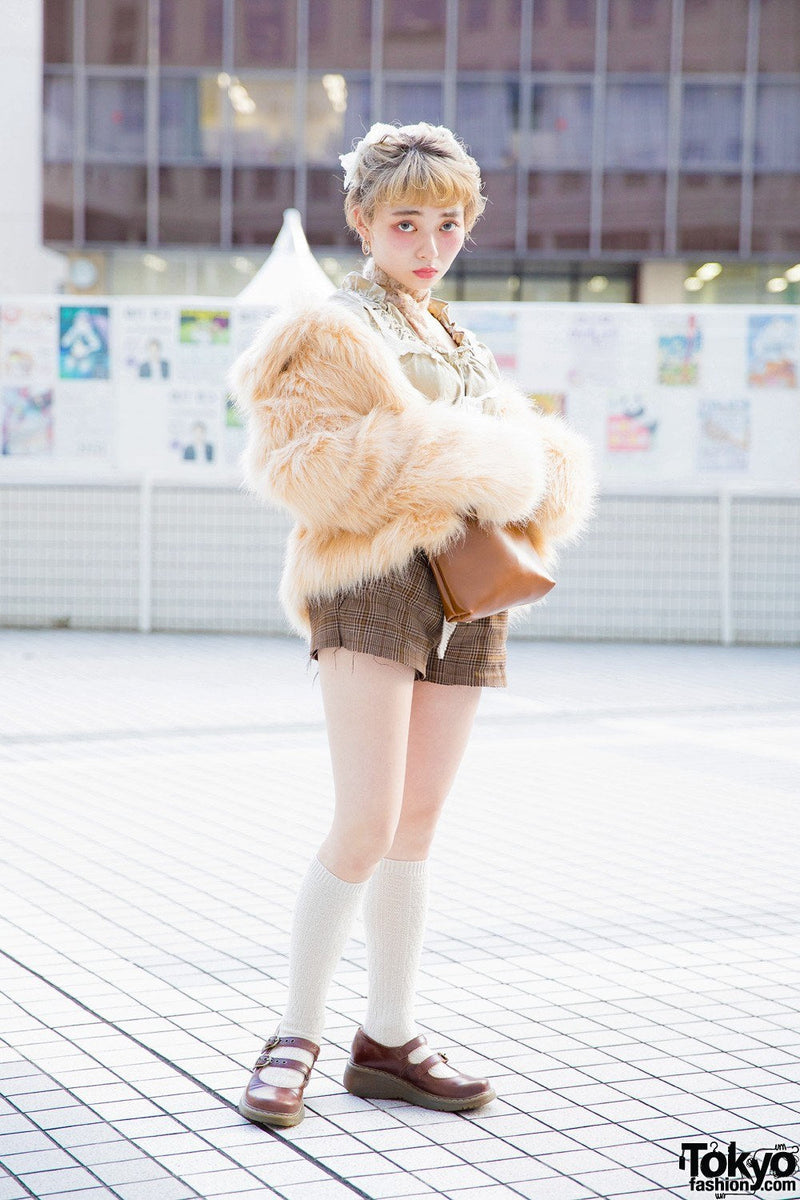
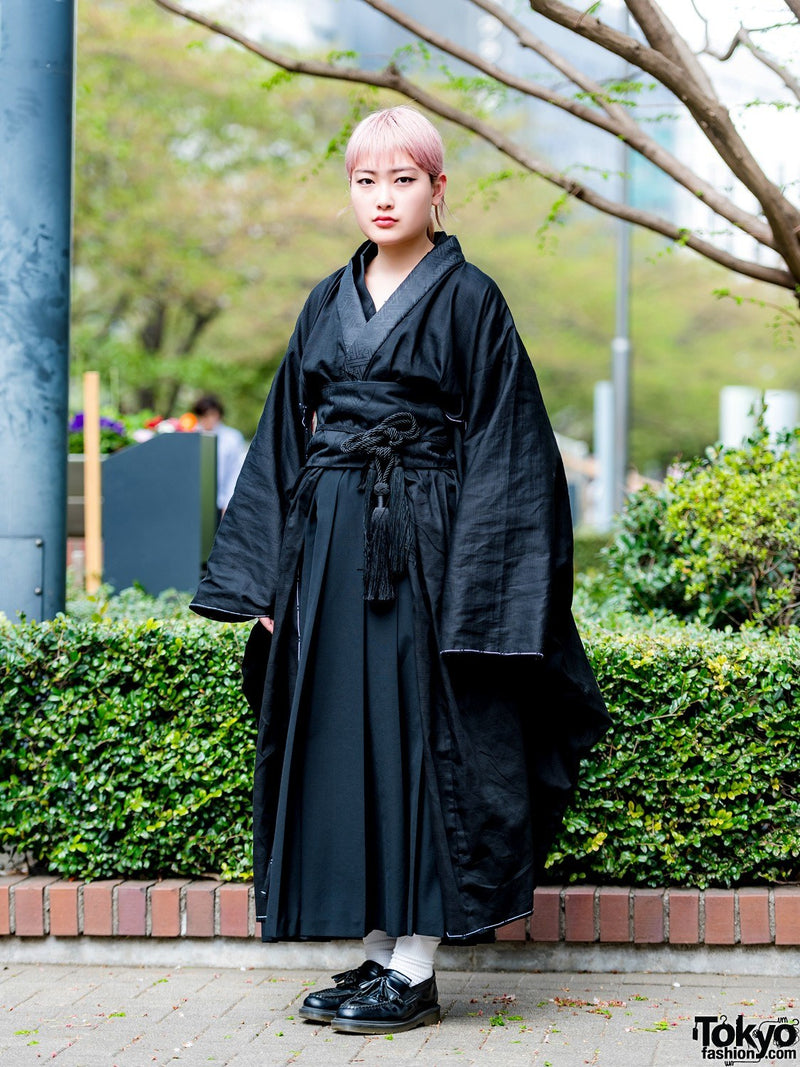
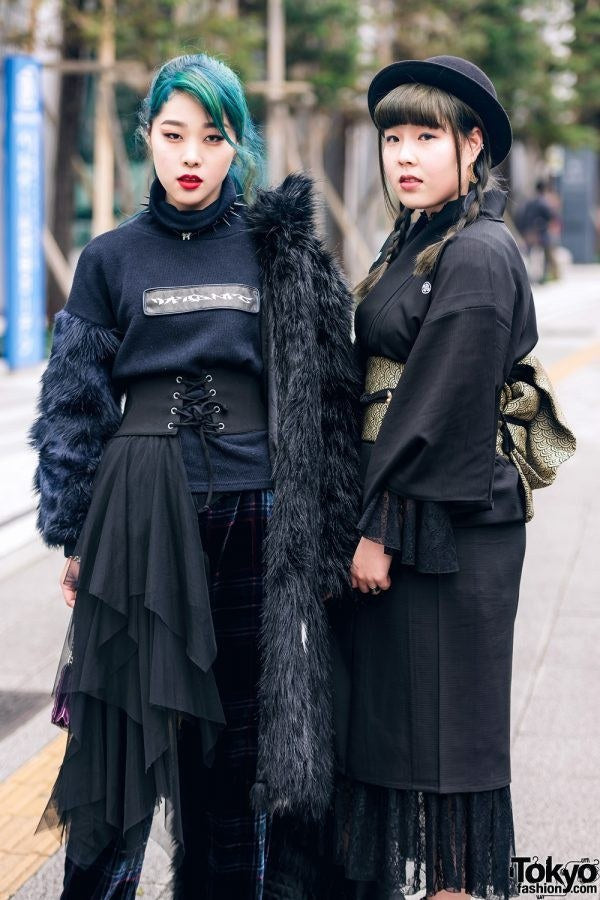
There is a corner of Harajuku that looks like a 1980s toy aisle came to life, and it has never really gone away. Fairy kei and its dreamier cousin yume kawaii are built on the same promise: that pastel, plush, and a little bit of childhood nostalgia can be a complete adult wardrobe. In 2026 the look is having another quiet resurgence, and it is worth understanding what actually separates these two pastel worlds.
Fairy kei: nostalgia you can wear
Fairy kei pulls directly from Showa-era pop culture — faded My Little Pony tees, Care Bears, Polly Pocket palettes, and the washed-out colors of vintage Sanrio. The styling rule is volume without weight: layered tutus, oversized sweaters, leg warmers, and chunky sneakers in mint, lavender, baby pink, and butter yellow. Nothing is supposed to look new. The slightly faded, thrifted quality is the point, which is part of why the aesthetic has always rewarded patient secondhand shopping.
Yume kawaii: the dreamy, slightly darker edge
Yume kawaii (literally “dream cute”) takes the pastel base and adds a wistful, sometimes melancholic layer — think medical motifs, syringes-as-charms, tears, and a softness that flirts with the same emotional territory as yami kawaii. Where fairy kei is pure sugar, yume kawaii lets a little sadness into the frame. The palette stays pastel, but the mood is dreamlike rather than playful.
How to build a coordinate in 2026
Start with one statement piece — a pastel cardigan or a printed skirt — and build the rest of the coordinate around a two- or three-color pastel scheme. Accessories carry the look: hair clips stacked in clusters, star and heart bag charms, layered pastel socks. Japanese street style magazines like ViVi are a good barometer for how stylists are keeping pastel fashion from tipping into costume territory this year.
Sourcing is the hard part outside Japan. For new pieces with the right fairy kei and kawaii sensibility, Belchic’s new arrivals regularly stock pastel-leaning items, and the broader history of the movement is well documented on Tokyo Fashion, which has been photographing fairy kei on the streets of Harajuku since the style first bloomed.
The enduring appeal is simple: fairy kei and yume kawaii are aesthetics about choosing softness on purpose. In a fashion landscape that keeps swinging toward the severe and the minimal, dressing like a half-remembered dream is its own quiet rebellion.