When people picture lolita fashion, they picture bell-shaped skirts and petticoats. But the subculture has always had a quieter, boyish counterpart — ouji, sometimes called kodona or simply boystyle. It trades the cupcake silhouette for something closer to a storybook prince, and in 2026 it is where a lot of the most interesting androgynous styling is happening.
What ouji actually is
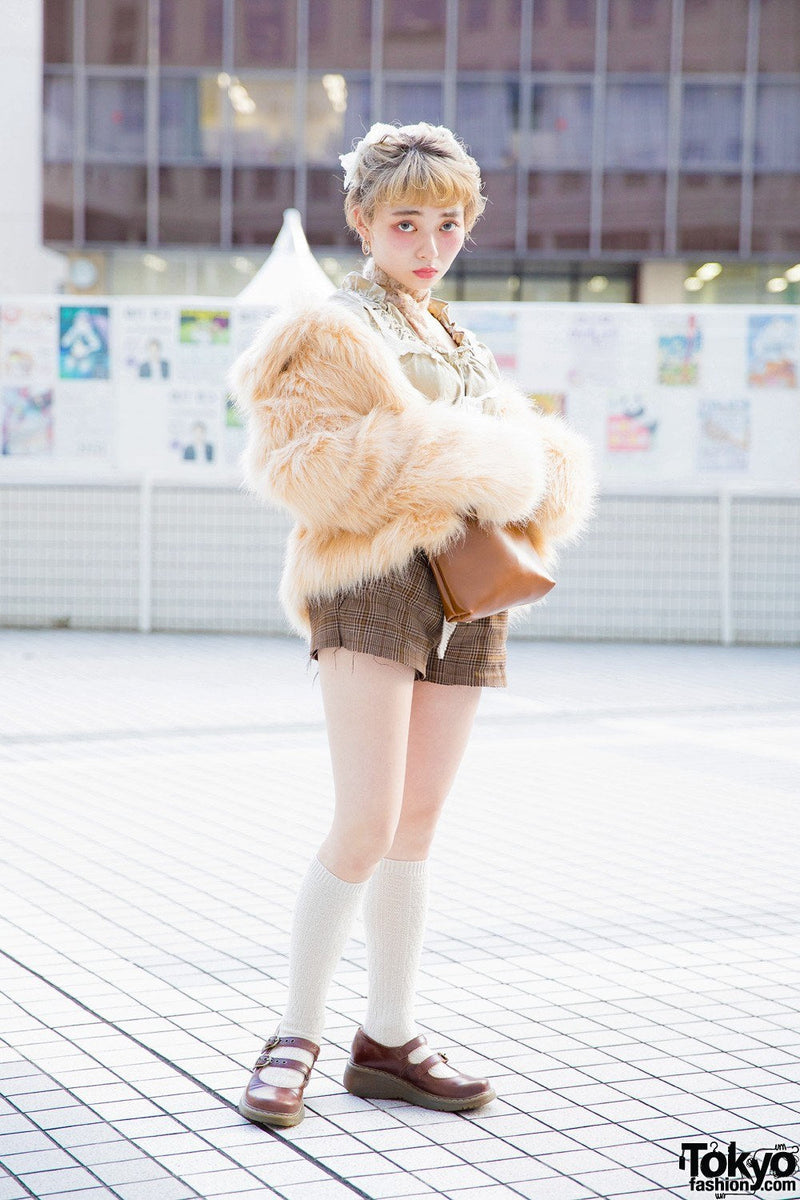
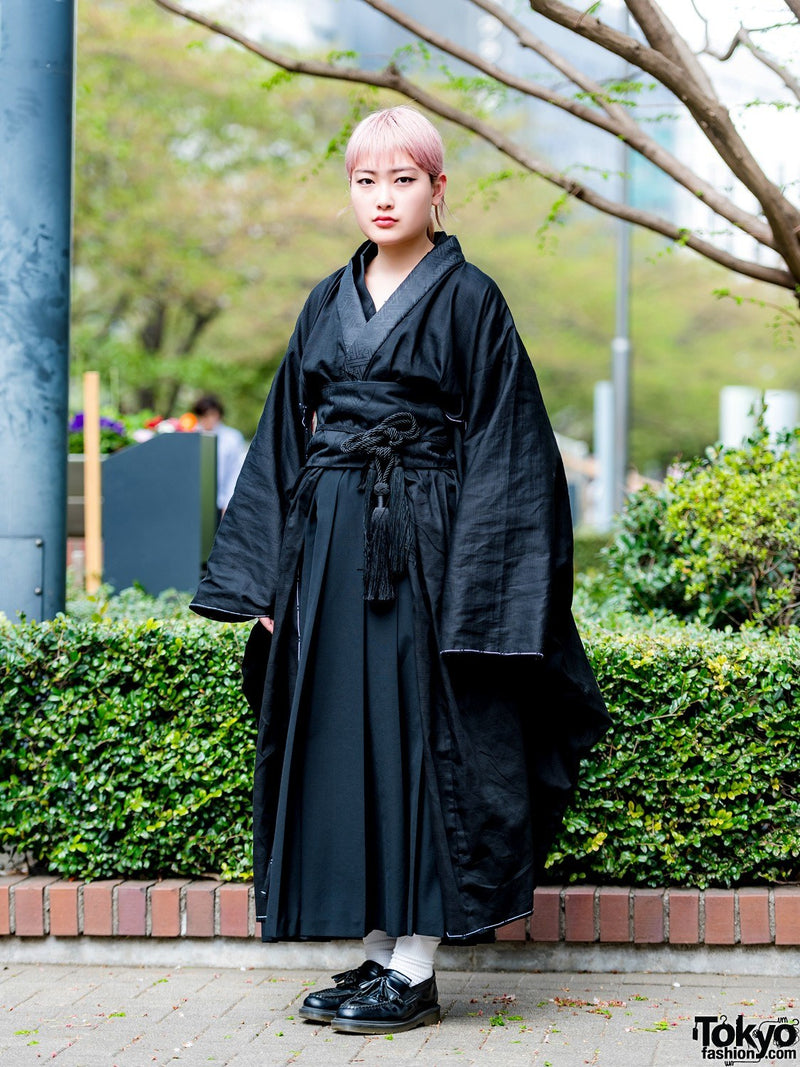
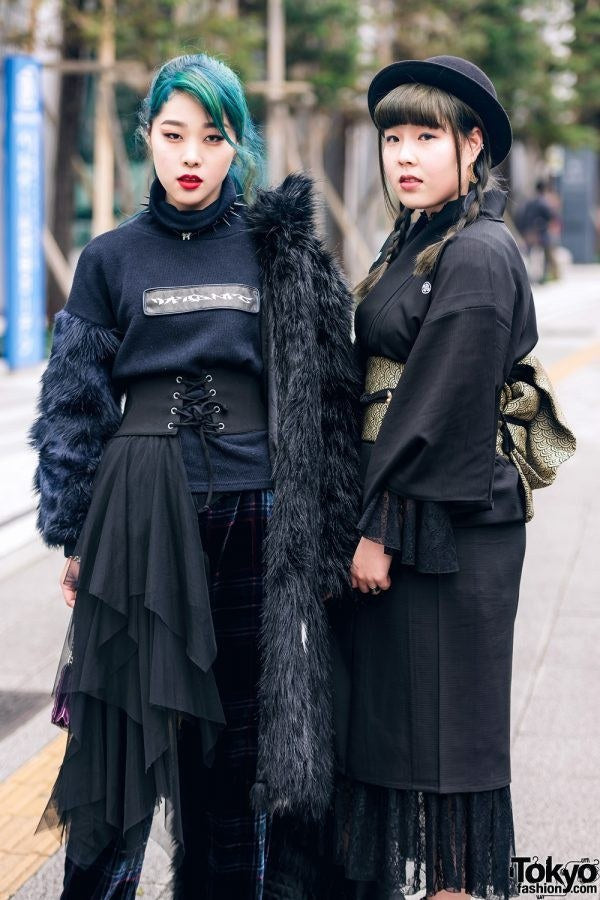
Ouji (“prince”) is the masculine-leaning cousin of lolita. The core pieces are bloomers or knee-length shorts, blouses with high collars and cuffs, waistcoats, tailored jackets, and knee socks — finished with boots, berets, top hats, or newsboy caps. Gothic ouji, like the look above, runs it all in black with structured tailoring, ruffle detailing, and a hard-edged pair of platform boots. The result is androgynous by design: neither costume-masculine nor lolita-feminine, but its own thing.
Gothic, not just dark
The gothic register of ouji leans on silhouette and texture rather than print. Think matte black fabrics, lace-up details, harnesses, and a tailored shape that holds its structure. It shares DNA with the broader gothic lolita world — you can read the full lineage of the subculture on this overview of lolita fashion — but ouji is consistently the more wearable everyday entry point for people who love the aesthetic and dislike a poofy skirt.
Building an ouji coordinate
Start with the proportions: fitted top half, structured shorts or bloomers, and a strong boot. Layer a waistcoat or cropped jacket for dimension, then add one headpiece — a beret reads soft, a mini top hat reads dramatic. Keep accessories metallic and restrained: a pocket watch chain, a single statement ring. For unisex pieces that work in an ouji or jirai-adjacent wardrobe, NOEMIE by Palemo and the darker drops in Belchic’s new arrivals are solid sourcing points.
Ouji deserves more attention than it gets. It is proof that lolita was never only about femininity — it was about dressing like a character, and the prince is just as good a role as the doll.