Few Japanese subcultures have been declared dead as many times — or come back as often — as gyaru. Loud, tanned, glamorous, and proudly anti-establishment, the gal aesthetic has been rattling Japanese beauty norms since the 1990s. And in 2026, a new wave of wearers is reviving it with the confidence the style always demanded.
A subculture built on rebellion
Gyaru (a Japanese rendering of “gal”) emerged as a direct rejection of conservative Japanese beauty standards — pale skin, black hair, modesty. In their place: deep tans, bleached and teased hair, dramatic lashes, and an attitude that prized standing out over fitting in. By the early 2000s it had exploded into the kogal (schoolgirl gyaru) boom and a magazine ecosystem, most famously egg, that turned street girls into trendsetters. You can read the fuller history on this overview of the gyaru subculture.
Many gals, many styles
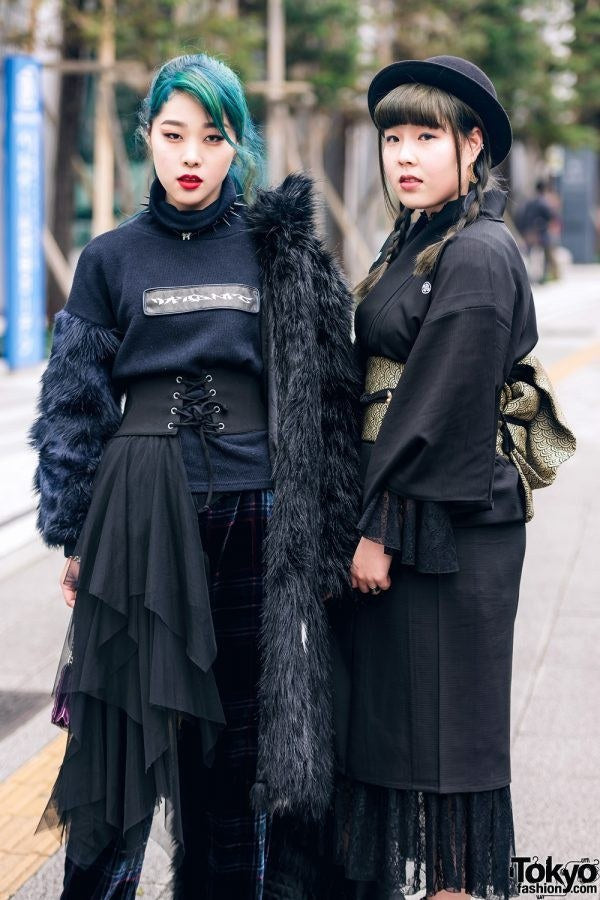
Gyaru was never one look. Ganguro pushed the tan to its extreme; himegyaru went full princess with frills and tiaras; agejo leaned sultry and feminine; b-gyaru took cues from American hip-hop. What unites them is the silhouette philosophy: hair volume, statement makeup, and outfits that read as confident from across the street — exactly the energy in the group shot above.
The 2026 revival
This comeback is softer on the tanning and heavier on the styling — voluminous hair, lash-forward makeup, leopard and Y2K-tinged pieces, and a return to the maximalist glamour gyaru always did best. International interest, fueled by social media, has made sourcing easier than it was a decade ago. For pieces that fit the gal sensibility, the new drops at Belchic are a good starting point, and ViVi remains the magazine most fluent in modern gal styling.
Gyaru’s real legacy is not a specific outfit — it is permission. It proved that Japanese fashion could be loud, tanned, and defiant, and every revival is a reminder that the gals were never really gone.