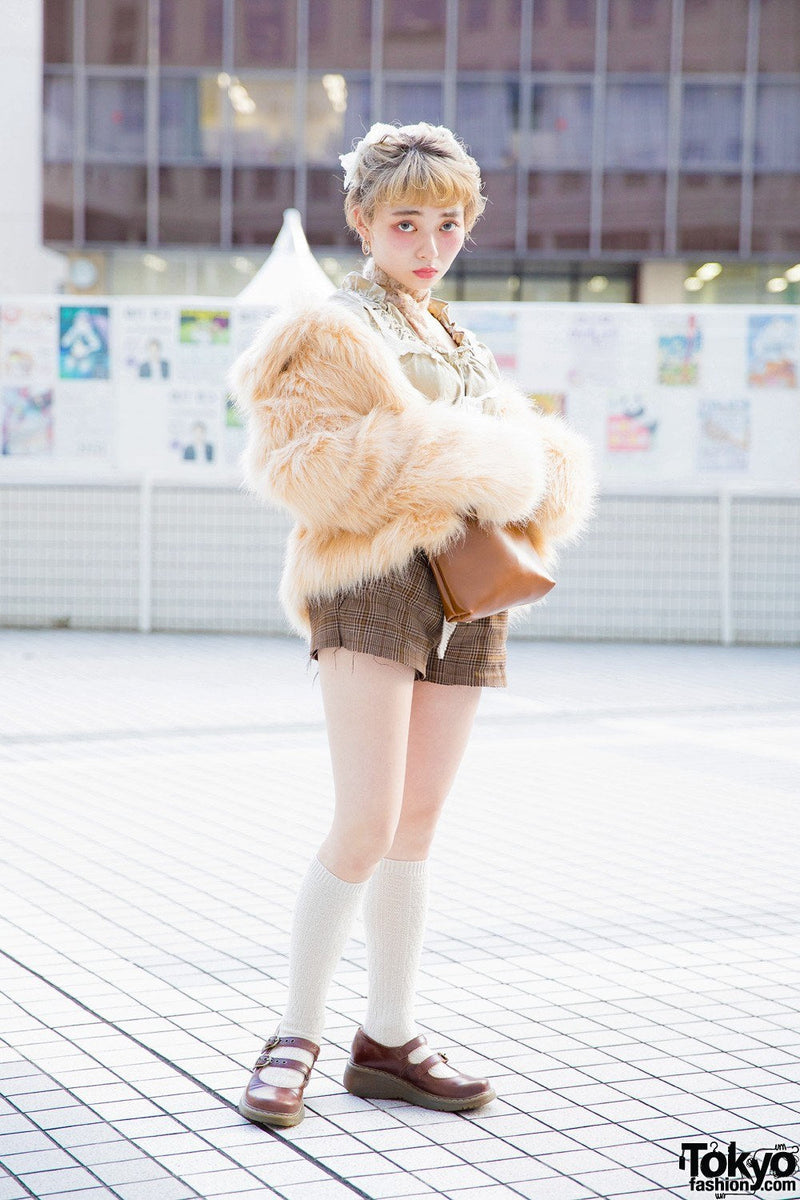
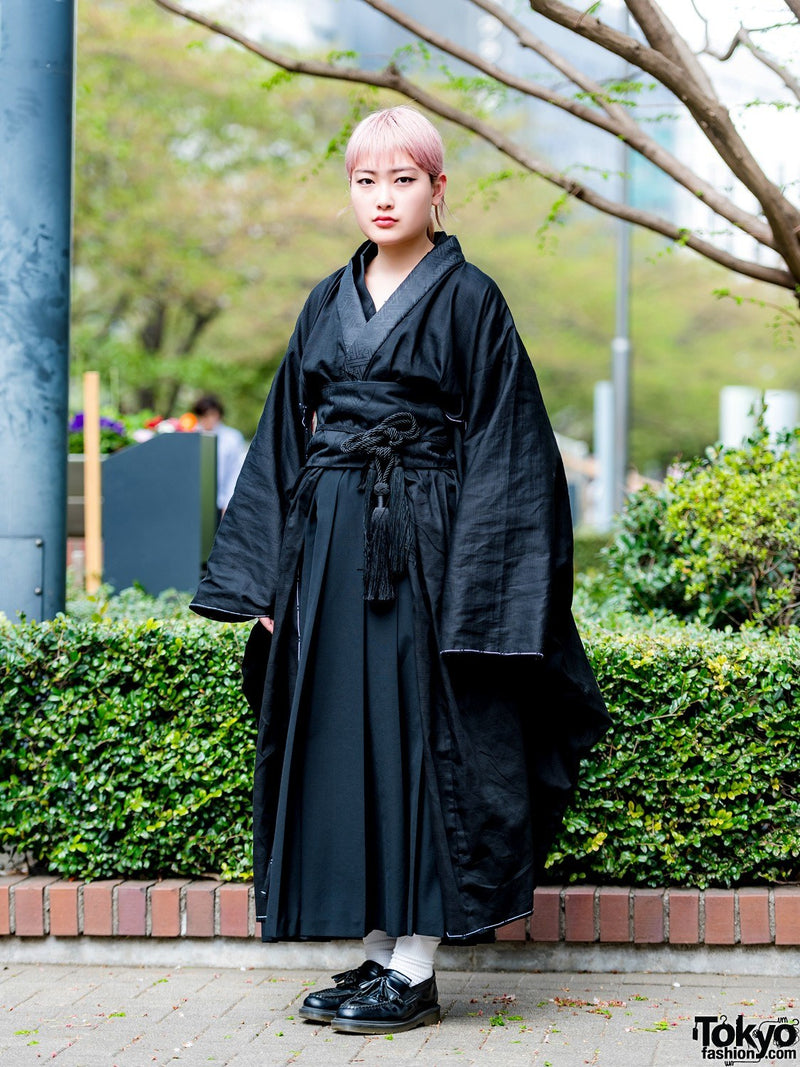
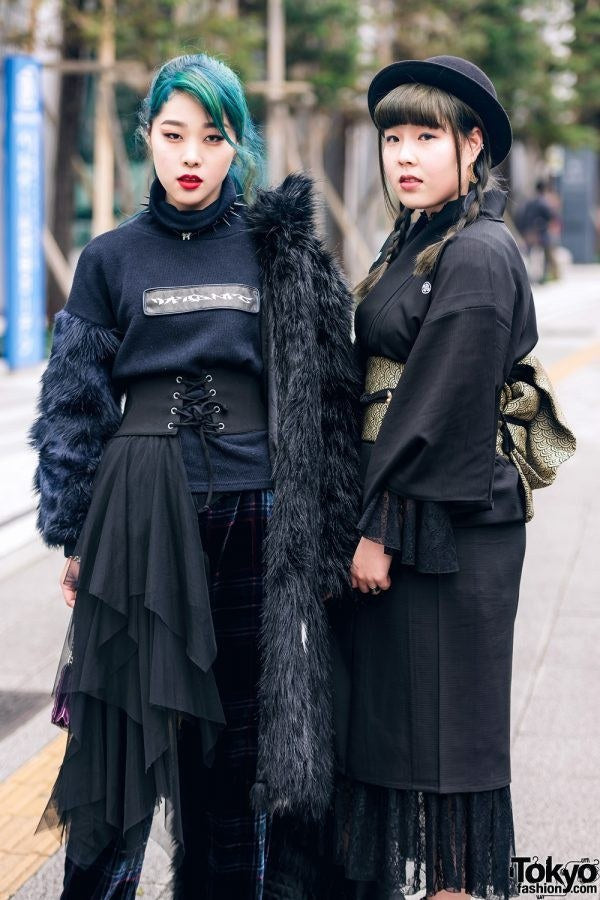
Harajuku is less a single style than a whole ecosystem of them, layered onto a few square blocks of Tokyo. To an outsider it can look like beautiful chaos — but every look on the street belongs to a tradition with its own rules. Here is a field guide to the major Harajuku aesthetics as they stand in 2026, and how to tell them apart.
The sweet end of the spectrum
This is where most people start: fairy kei and yume kawaii (faded pastels and toy nostalgia), decora (maximum accessories, maximum color), and lolita in its sweet form (petticoats, bows, doll-like coordination). They share a vocabulary of cuteness but differ in volume — decora piles it on, fairy kei keeps it soft, lolita keeps it structured. The streets where these bloom are endlessly documented on Tokyo Fashion.
The dark end
On the other side sit gothic lolita and ouji (storybook darkness, structured tailoring), jirai kei (the “landmine” pink-and-black aesthetic with an emotional edge), and the goth-punk brands of Takeshita Street. These looks trade sugar for silhouette — black palettes, platform boots, harnesses — while keeping Harajuku’s love of character and detail. New drops in this register show up regularly at Belchic.
Everything in between
Then there are the styles that resist the sweet/dark binary: gyaru (tanned, glamorous, rebellious), dolly kei (antique European vintage), mori kei (forest-girl layering), and the vintage and avant-garde menswear scenes that have made Tokyo a global thrifting and design capital. Part of Harajuku’s genius is that these coexist on the same sidewalk, and stylists at magazines like ViVi increasingly mix them on purpose.
How to actually read the street
The trick to understanding Harajuku is to stop looking for one trend and start reading silhouettes, palettes, and accessories as a language. Volume of accessories points to decora; pastel-and-faded points to fairy kei; structured black points to gothic or ouji; pink-and-black with an edge points to jirai. Once the grammar clicks, the chaos resolves into something closer to a conversation — dozens of subcultures, all talking at once.
That density is the whole point. Harajuku endures because it never settled on a single answer to what fashion should be — and in 2026, it is still asking the question louder than anywhere else on earth.