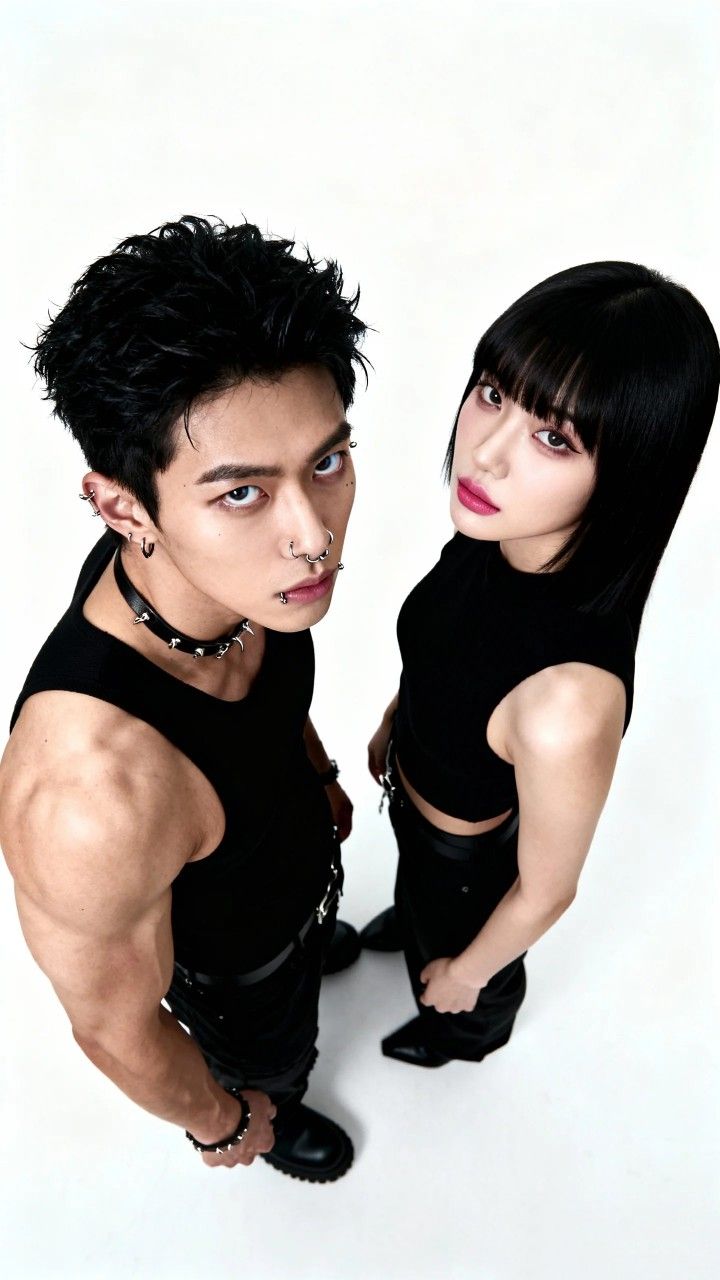
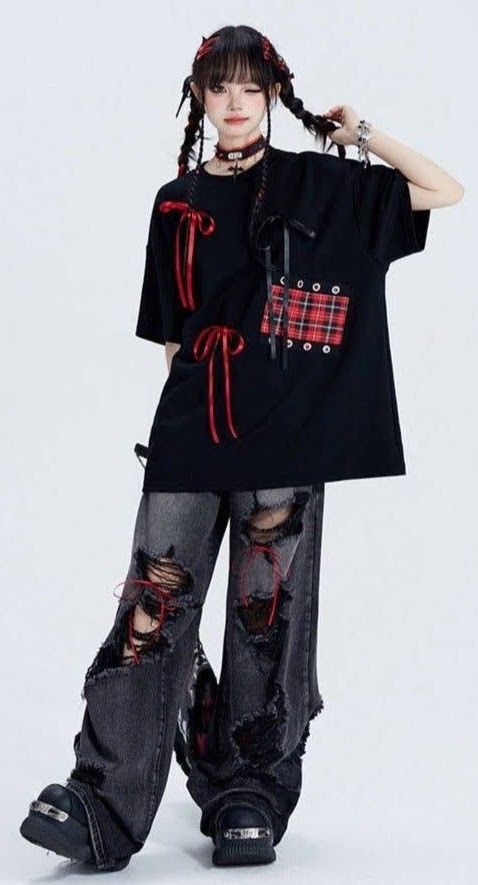
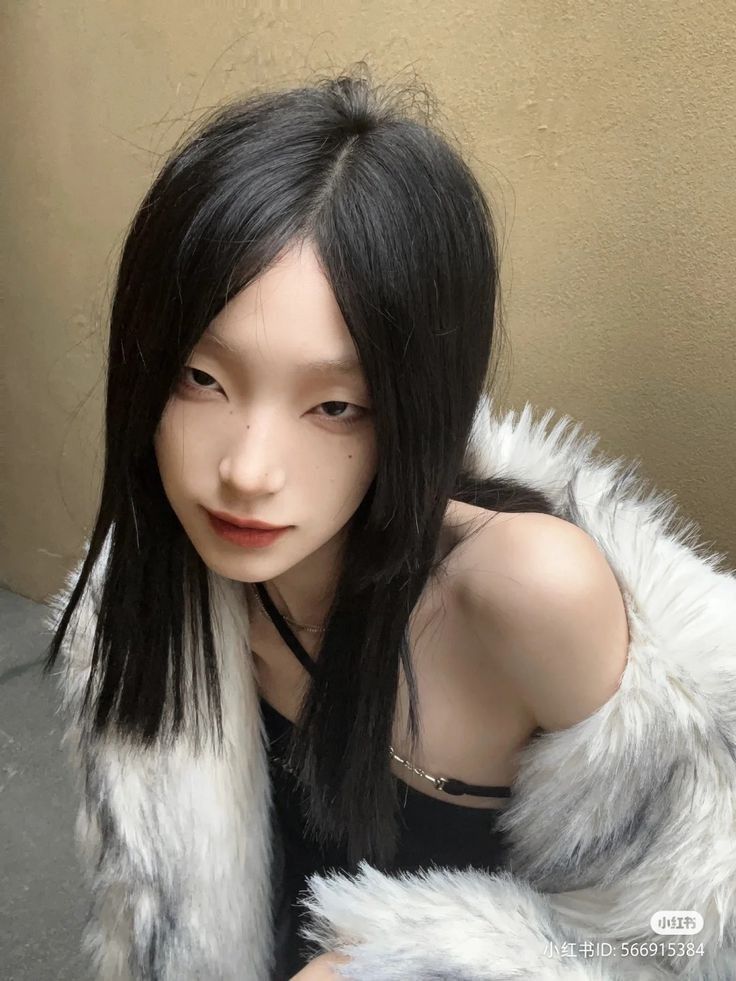
Long before "motorsport-core" became a runway trend, Japan's underground car culture had already written the playbook. Tattooed necks, bleached spiky hair, tinted glasses, and a leather jacket plastered in racing patches and team liveries—the look in this photo isn't cosplay. It's a direct descendant of one of Japan's most distinctive, and most misunderstood, subcultures: the world of bōsōzoku and kaidō racers.
Bōsōzoku: Where the Aesthetic Started
Bōsōzoku—literally "violent speed tribe"—emerged from Japan's post-war motorcycle gangs, evolving through the 1970s into a recognizable uniform: the tokkō-fuku, an oversized boilersuit or military-style jacket covered in kanji slogans, paired with baggy pants, tall boots, and dramatic pompadour hairstyles. It was a uniform built to be seen from a distance and to communicate group identity at a glance—loud by design, impossible to ignore, and deeply tied to the cars and bikes its members rode.
Running parallel to the bōsōzoku scene was kaidō racer culture, which took a different angle on the same obsession: instead of building an identity around gang affiliation, kaidō racer enthusiasts modified their cars to mimic the silhouette of race cars competing at circuits like Fuji Speedway—aggressive body kits, low ride heights, oversized spoilers, and livery-style paint jobs covered in sponsor decals, real or imagined.
From Cars to Closets
What makes this subculture so fashion-relevant decades later is how directly its visual language transferred from vehicles to clothing. The racing jacket in this photo is a perfect example: a black leather moto cut layered with patches that mimic real racing sponsorships—Motul, tire brands, team crests, and car liveries rendered as embroidered or printed badges. It's the tokkō-fuku's DNA wearing a different shape: still loud, still covered in text and logos, still built to broadcast an affiliation, real or aesthetic, to an entire scene.
Streetwear has been borrowing from this world for decades. Japanese label Neighborhood, founded in Harajuku in the 1990s by a designer who actually rode in biking circles, built its entire identity on bōsōzoku references—oversized text, military cuts, and patchwork graphics that nod directly to gang uniforms. That lineage is still visible in racing-jacket trends today, whether the wearer has ever sat in a modified car or not.
Styling the Look Today
You don't need an actual kaidō-spec build in your driveway to wear this aesthetic well—but you do need to commit to its core values: maximalism, text-heavy graphics, and a slightly rebellious edge. The look in this photo nails it by pairing the jacket with bleach-blond spiked hair, tinted clear-frame glasses, layered piercings, and visible tattoo work—each element loud on its own, but unified by the same "outsider built this identity on purpose" energy that powered the original scene.
If you're sourcing pieces, look for racing jackets with embroidered or printed sponsor-style patches, layered silver jewelry, and accessories that read as slightly worn-in rather than brand new—the kaidō scene was never about looking pristine. Belchic's rotating new arrivals occasionally turn up racing-inspired outerwear and the kind of heavy jewelry that completes this look without requiring a deep dive into Japanese vintage forums.
Why the Aesthetic Endures
Most bōsōzoku gangs have faded—today's enthusiasts mostly identify as kyūsha-kai, distancing themselves from the old stigma—but the visual language they built has outlived the subculture itself. It survives because it was never really about the cars or the gangs alone; it was about building an identity loud enough that nobody could mistake it for an accident. That's a sensibility fashion never really gets tired of borrowing.