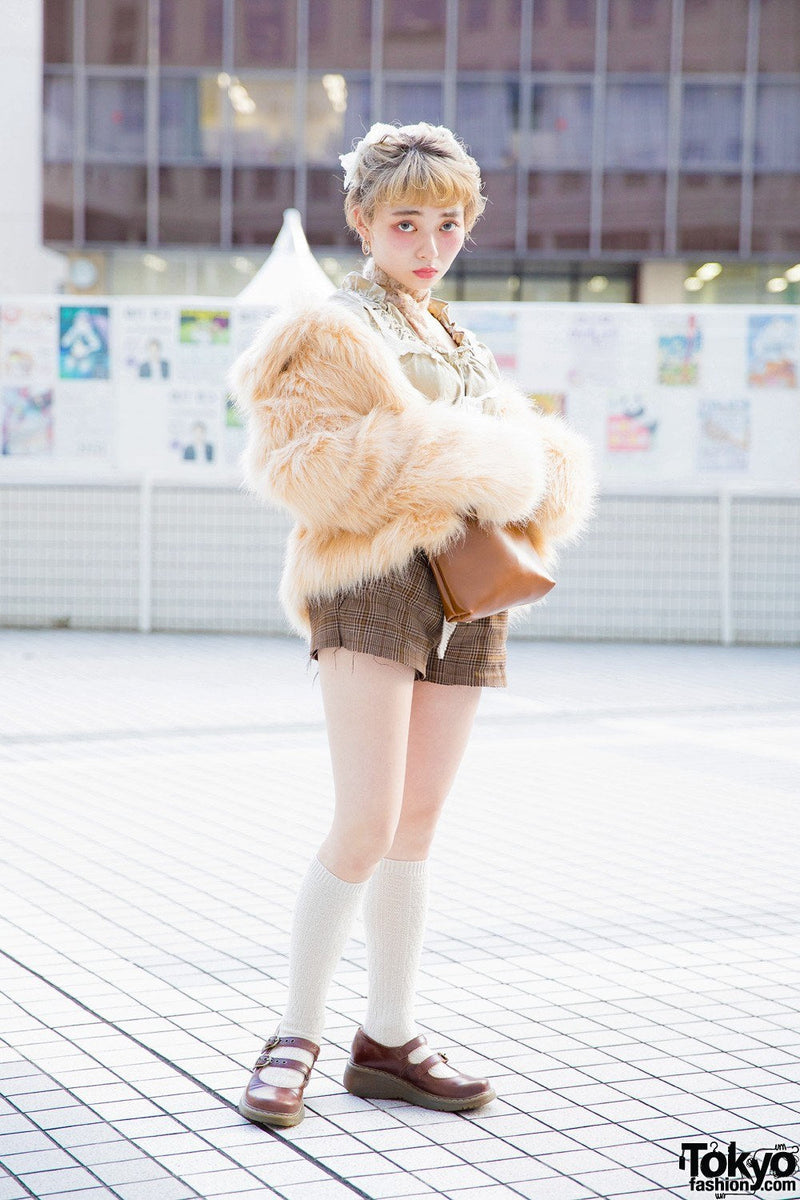
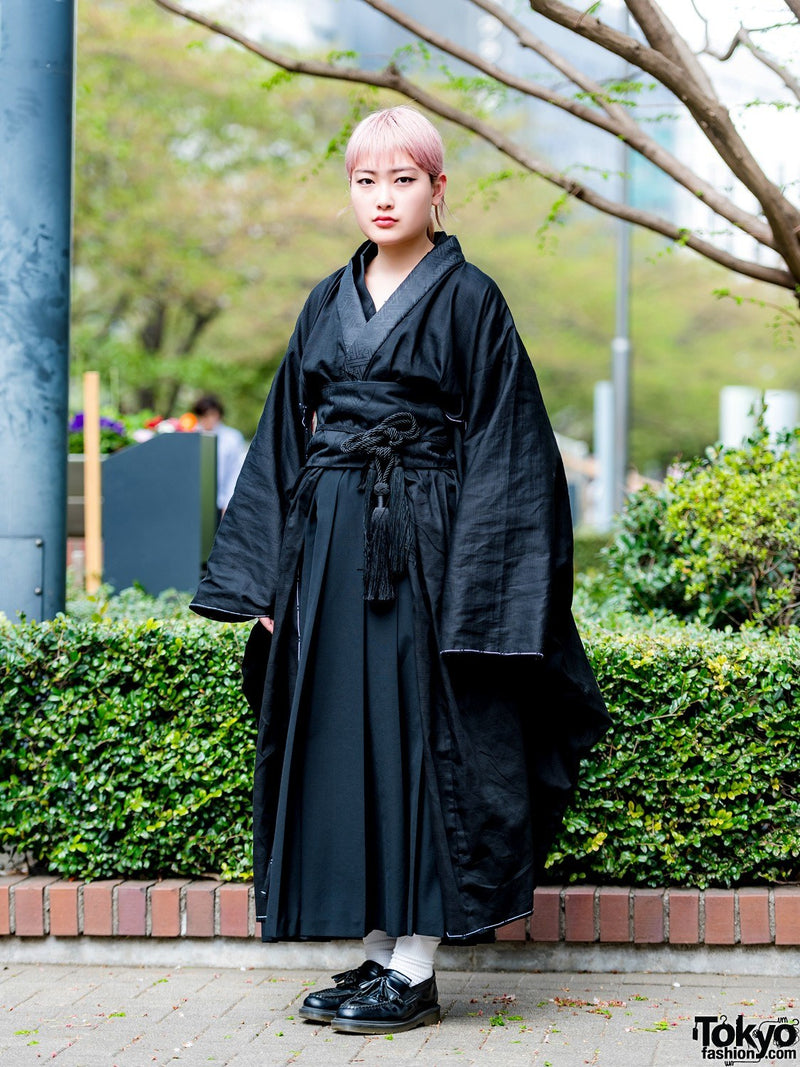
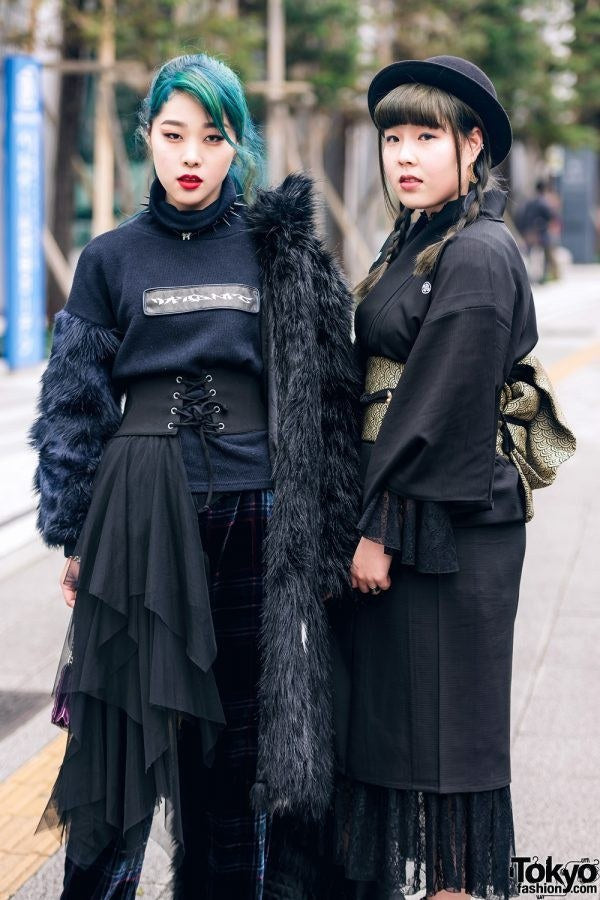
Tanned skin, sky-high hair, false lashes stacked to the heavens and an attitude to match—gyaru is one of Japan's most rebellious and misunderstood street styles, and it's clawing its way back in 2026.
What gyaru actually is
Gyaru (ギャル, from the English "gal") exploded in the 1990s and 2000s as a deliberate rejection of conservative Japanese beauty standards. Centered on Shibuya's famous 109 building, it spawned dozens of sub-styles—ganguro, hime gyaru, agejo and more—each louder than the last.
Reading a classic Shibuya look
A street-snapped gyaru coordinate is a study in maximalism: layered hair extensions, dramatic eye makeup, mini skirts or body-con dresses, and a generous pile of accessories. The look was codified by magazines like ViVi and Egg, whose models became neighborhood celebrities and trendsetters.
The 2026 revival
A younger generation is rediscovering gyaru as the ultimate antidote to quiet, algorithm-friendly minimalism—this time blended with Y2K nostalgia and softer "himekaji" casual versions. If you want to build a modern gyaru-leaning wardrobe, brands carrying Y2K and gal-adjacent pieces like Belchic are a good starting point. Gyaru was always about confidence over rules, and that message ages well.